Redefining What Matters in Budget-Constrained Design
In civic architecture, some of the most vital spaces are the first to go when budgets tighten. Storage rooms. Hallways. Daylight. Volume. These so-called “non-program” elements often disappear under the weight of value engineering, dismissed as expendable in pursuit of cost savings.
At FFA, we believe this approach misses the mark.
Again and again, we hear the same feedback from clients about existing spaces: “I wish we had more storage.” These aren’t one-off comments; they’re patterns. And they point to a deeper truth: the success of a building isn’t just about the program spaces themselves, but about how well it supports the people who use and maintain it every day.


The Value Engineering Trap
Too often, VE becomes shorthand for cost-cutting without context. When square footage needs to be reduced, circulation spaces get squeezed. Storage rooms shrink or vanish. Skylights and clerestories are cut. It looks good on paper, but in use? The building feels tight, dark, and inflexible.
“You can circulate in a five-foot-wide hallway, but you can’t pull over to the side to talk to someone. Community happens in those moments, in those in-between spaces.”


Our Approach: Designing for Purpose
At FFA, we treat operational and support spaces as essential, not optional. That begins with early visioning workshops, where we engage a cross-section of client voices, including end-users, facilities teams, program directors, and leadership. Through these conversations, we develop project-specific guiding principles that do more than inspire—they provide a framework for making decisions when budget pressure arises.


When value engineering becomes necessary, we return to those principles. A hallway isn’t just circulation—it might be a congregating space. Storage isn’t just a box—it supports flexibility, protects program room functionality, and reduces staff stress. Daylight isn’t just aesthetic—it contributes to wellness, energy savings, and a sense of welcome.

Case in Point: Mt. Scott Community Center
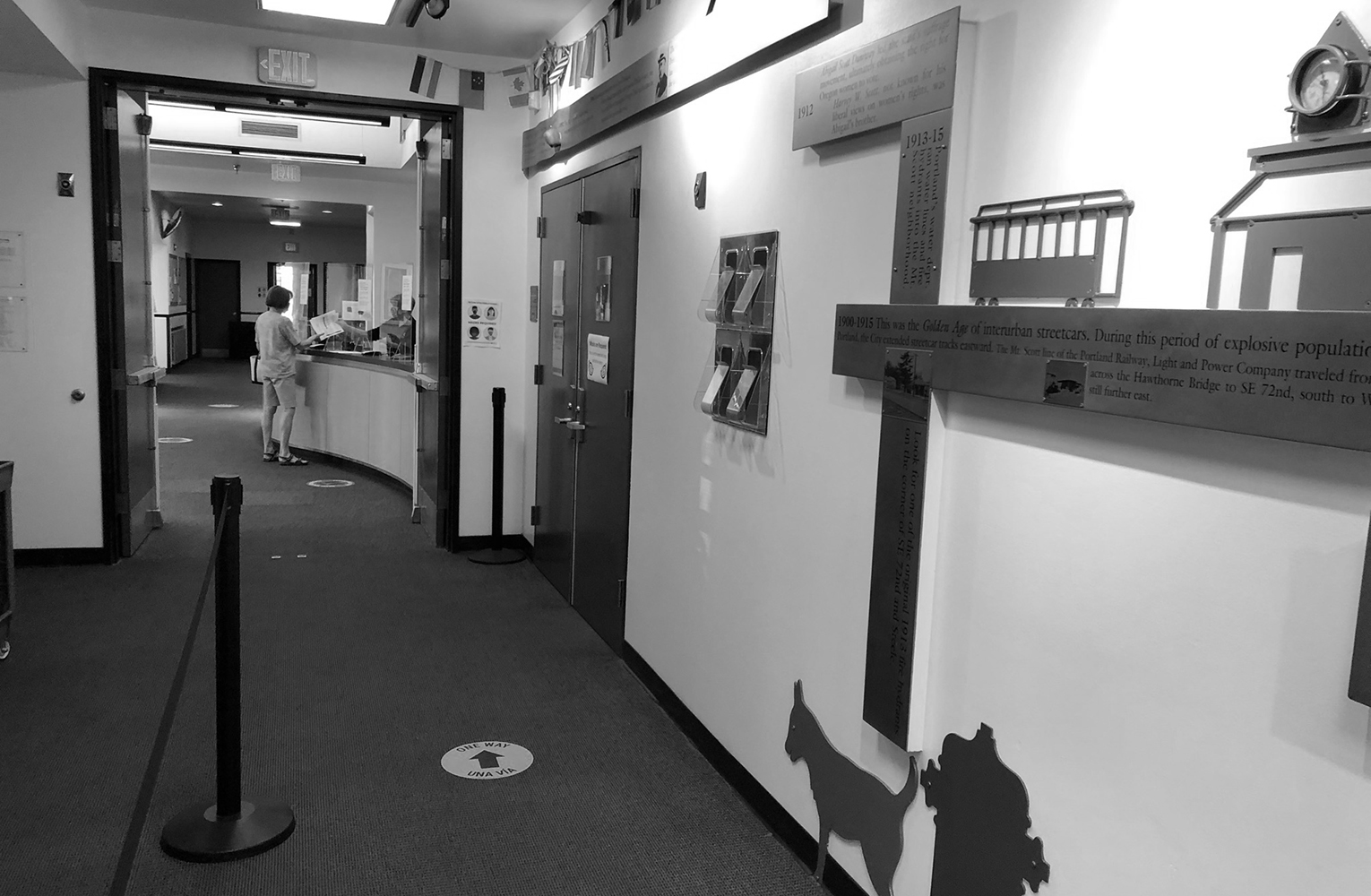
During the Mt. Scott Community Center renovation, both storage and skylights were at risk. Instead of allowing those spaces to be eliminated during VE, our team used the project’s guiding values—welcoming, flexible, and durable—to reframe the conversation. Could storage be optimized, rather than erased? Could a few key skylights be retained to protect daylight quality without overloading the budget?
As construction wrapped up, the results were clear. The main hallway, which was nearly reduced in width for cost savings, is now filled with natural light and serves as an informal gathering space. Visitors comment that the building “feels amazing.” Storage rooms are thoughtfully sized, labeled, and utilized—not oversized, nor compromised.
Case in Point: Blue Lake Regional Park Administrative and Operations Facility
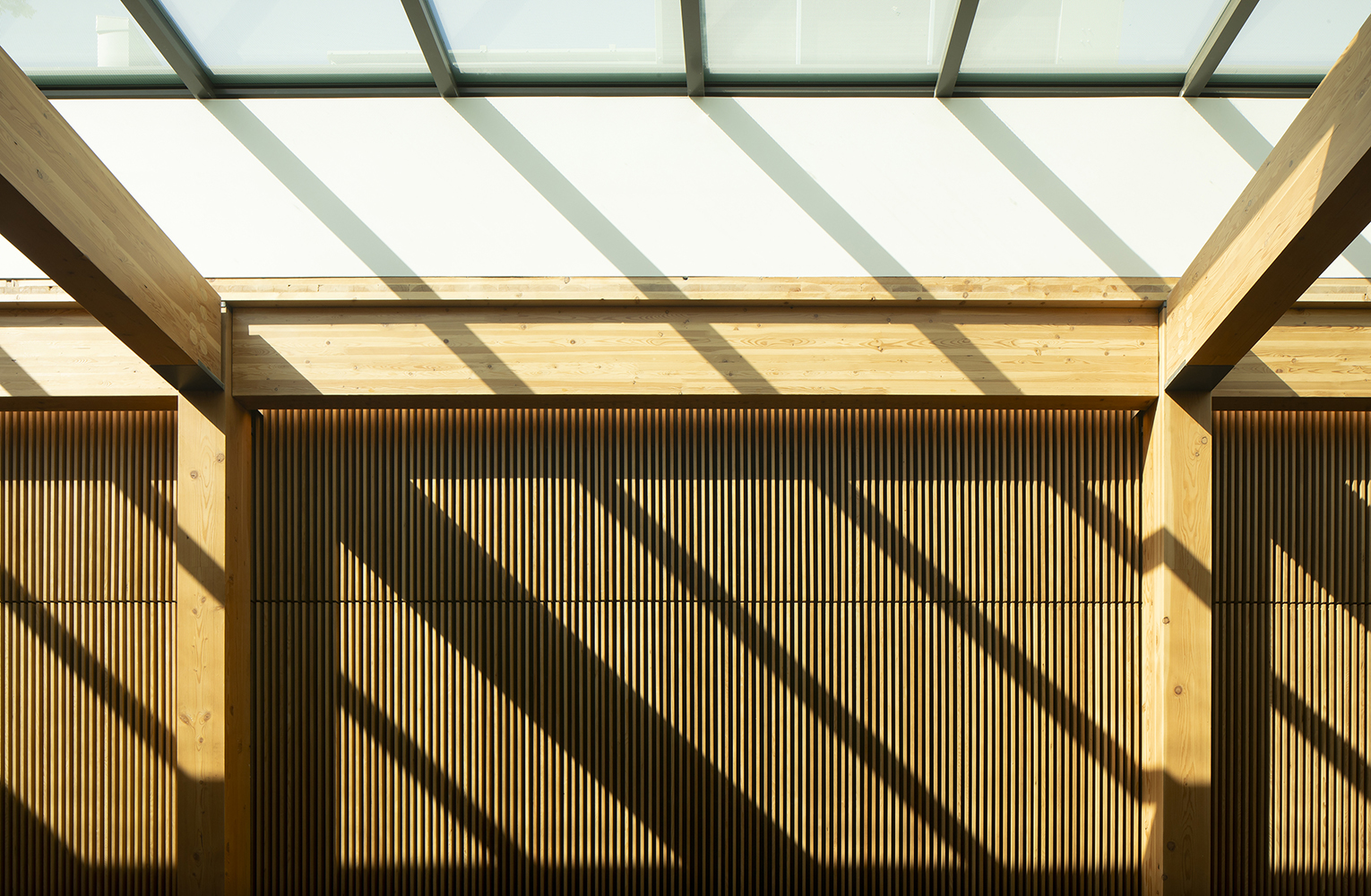
In another example, the Blue Lake project faced significant budget pressure that threatened to remove a large portion of skylights originally designed to bring natural light into deep interior zones. Rather than eliminating them entirely, the FFA team identified key skylight locations that could preserve the design intent while balancing cost. The result? A series of retained skylights that balance natural light throughout the building, enhancing the overall user experience and reducing the need for artificial lighting. It is a clear case of protecting livability and performance without compromising the budget.

Why It Matters
Because design isn’t just about drawing—it’s about advocacy. And when we protect a hallway or a storage room, it’s not just because we like extra space. It’s because we understand what makes a building actually work. We know what creates places people want to return to. And we know that budgets matter, but so does the lived experience of the people using the space.
So no, storage isn’t extra. It’s essential. In a value-driven design process, the real value lies in knowing what to protect.