
Sustainability means a lot of things to a lot of people. In architecture, it can signal solar panels, certification plaques, or a commitment to reducing carbon. Those things matter. But for a public agency accountable to taxpayers and the community, sustainable design must mean something more practical and durable than any single feature or credential.
It means a building that performs well over time—one that costs less to operate, holds up under heavy use, stays comfortable for the people inside, and remains useful as needs evolve.
The Right Question Is Not “How Green Is It?”
When a public agency considers sustainability goals, the most useful question is rarely about certification levels or checklist items. What design decisions will give this building the best long-term performance within our budget and for our people?
That question leads to very different conversations than chasing a certification’s scorecard. It asks teams to think about energy loads before systems, envelope performance before panels, and occupant experience alongside metrics. It connects early design choices like orientation, massing, daylighting strategy, and material selection to operational outcomes that a facilities manager will live with for thirty years.
Public buildings are long-term community assets. They deserve a sustainability approach that treats them that way.
What Performance-Driven Sustainability Actually Includes
At FFA, sustainable design is not a separate phase or a feature list added at the end. We integrate it into our entire project approach. That means weaving together several elements from the earliest design conversations:
- Energy efficiency: reducing loads through envelope design, orientation, and daylighting before sizing mechanical systems. Smaller, well-targeted systems cost less to install and operate
- Resilience: designing buildings that can continue serving communities during power outages, extreme heat, or other disruptions. For public safety facilities, community centers, and emergency services buildings, this is not optional
- Durability and low maintenance: specifying materials and assemblies that hold up under real-world use and reduce long-term maintenance burden. Lifecycle cost thinking starts here
- Occupant well-being: connecting people to daylight, views, and outdoor air. Comfortable, healthy buildings serve their users better and often perform better on energy metrics
- Future flexibility: designing for change. Programs shift. Technology changes. A building that can adapt costs far less to retrofit than one that cannot
On Certifications: Valuable, But Not the Whole Story
LEED, Living Building Challenge, WELL, and other third-party certifications provide a rigorous, verified framework for sustainable design choices. When a project earns certification, it is worth celebrating—not because the plaque matters, but because the process drives thinking and demonstrates performance to funders, users, and future occupants.
Mt. Scott Community Center targeted LEED Gold. The Blue Lake Park Regional Office participated in the ILFI Living Building Core Green pilot program. These are meaningful commitments that shaped design decisions across both projects.
But FFA applies sustainable design thinking across our entire portfolio, whether or not certification is in scope. Reducing energy loads, improving envelope performance, specifying durable materials, and designing for long-term operability does not require a third-party framework. It requires a design team that is genuinely committed to long-term outcomes and a client willing to make those outcomes a priority from day one.
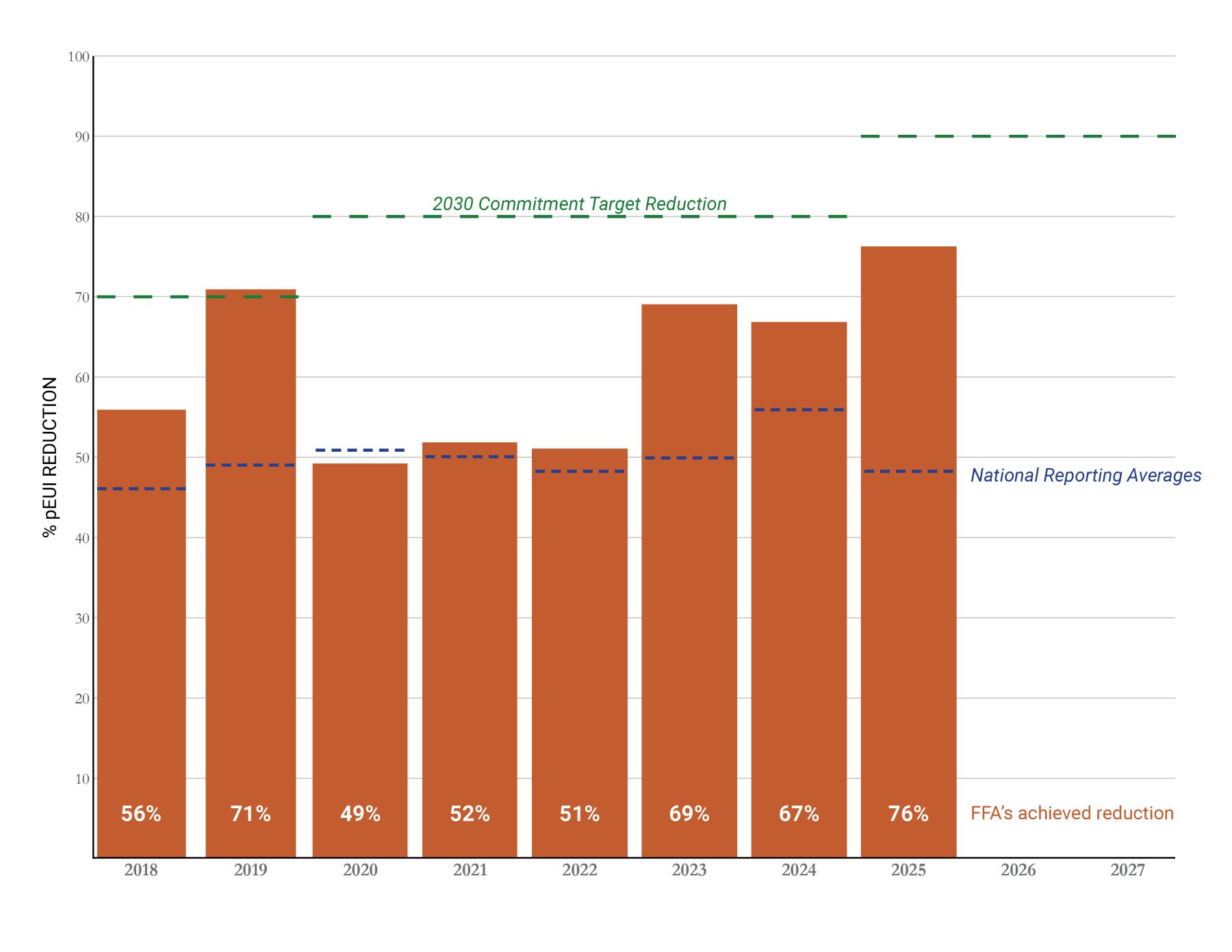
FFA has reported to the AIA 2030 Commitment since 2017. That consistent reporting disciplines our practice and gives us a long track record of measured performance to draw on.
What This Looks Like Across FFA Projects
Examples from FFA’s public-sector portfolio illustrate how these principles show up in practice:
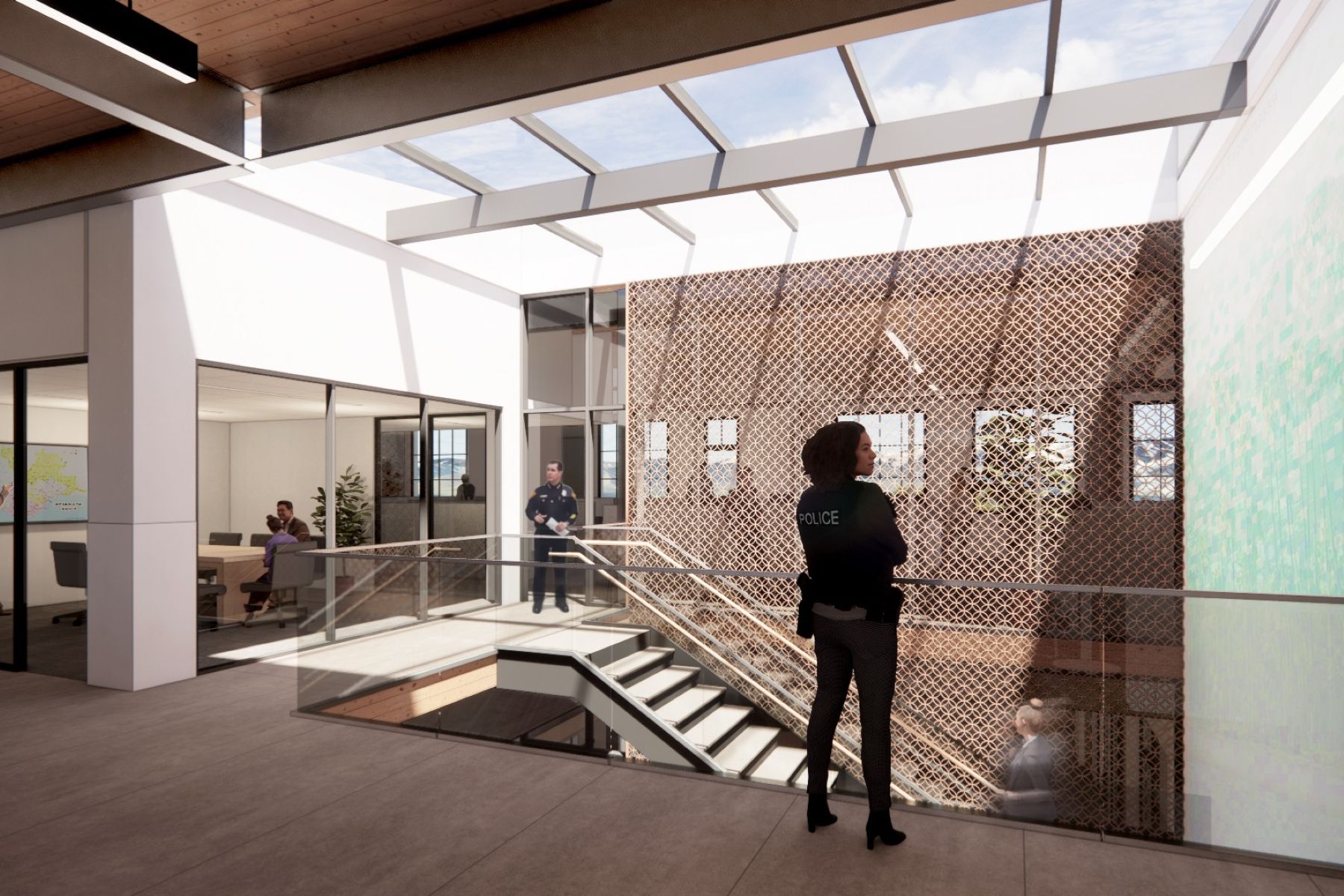
Santa Barbara Police Station: 109% EUI Reduction
Sustainable design here meant tackling multiple priorities simultaneously. A central lightwell brings natural light deep into the building, reducing electric lighting loads. CLT mass timber reduces embodied carbon in a structure that also includes a concrete parking garage. A 563 kW photovoltaic array generates enough energy to exceed projected annual consumption. A heat-recovery chiller system uses waste heat from cooling zones to meet heating loads elsewhere in the building; a closed-loop strategy that dramatically reduces energy demand. The result is a facility designed to support emergency operations even during grid outages, with a solar-connected battery storage system providing backup power.
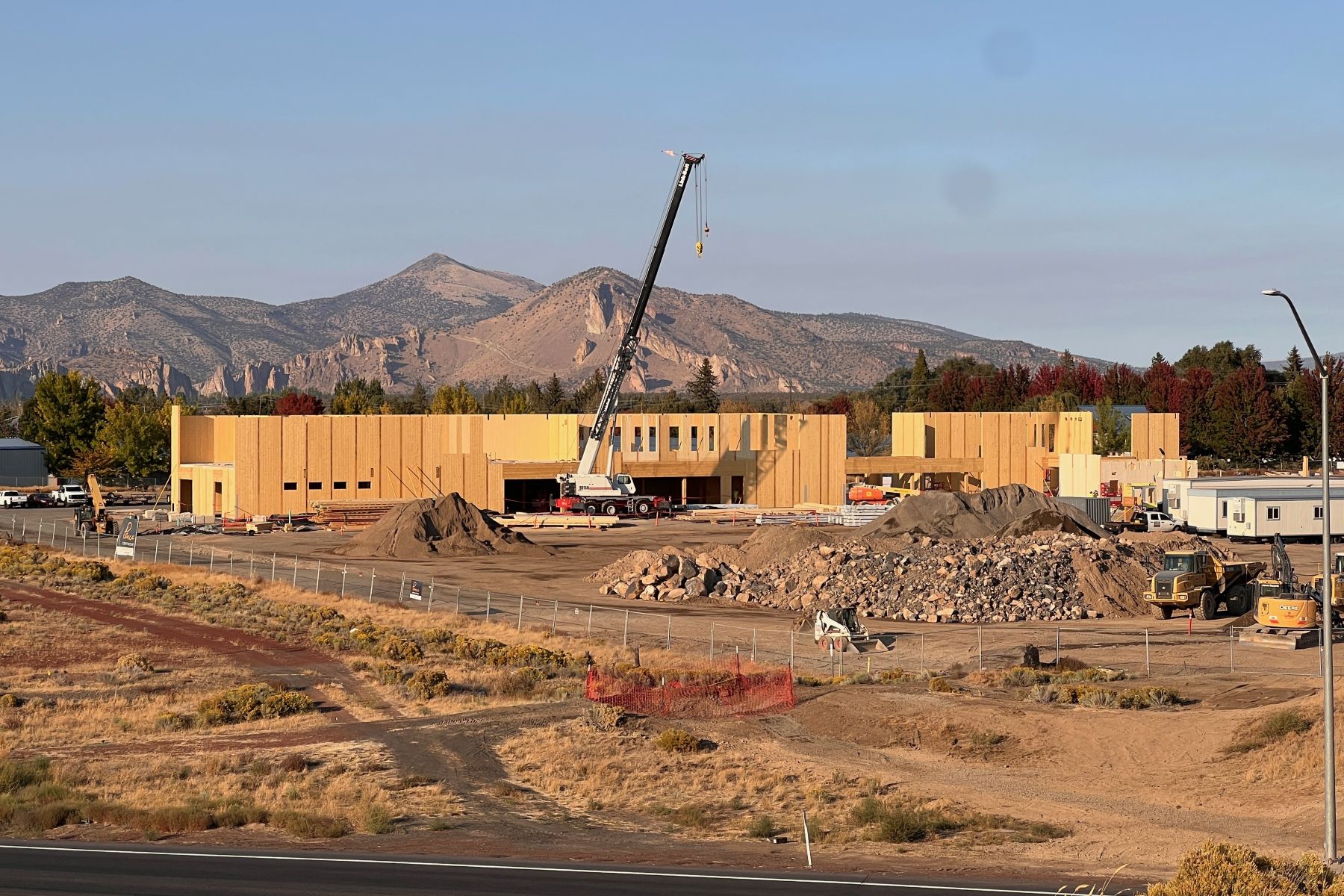
Redmond Public Safety Facility: 75% EUI Reduction
At Redmond, a narrow building footprint was a deliberate energy strategy: it allows natural light to penetrate from all sides and reduces the need for electric lighting throughout the day. A 70 kW rooftop PV array handles most of the building’s energy needs. A VRF mechanical system provides efficient, individually controllable heating and cooling. EV charging infrastructure is built in, with conduit roughed in for future expansion. The carport canopy is engineered to carry additional solar panels when the agency is ready.
These are not aspirational features, but practical investments in long-term operational value.
Public Clients Deserve Realism, Not Greenwashing
Every project involves trade-offs. Budget is finite. Timelines are real. Not every sustainability strategy pencils out on every project.
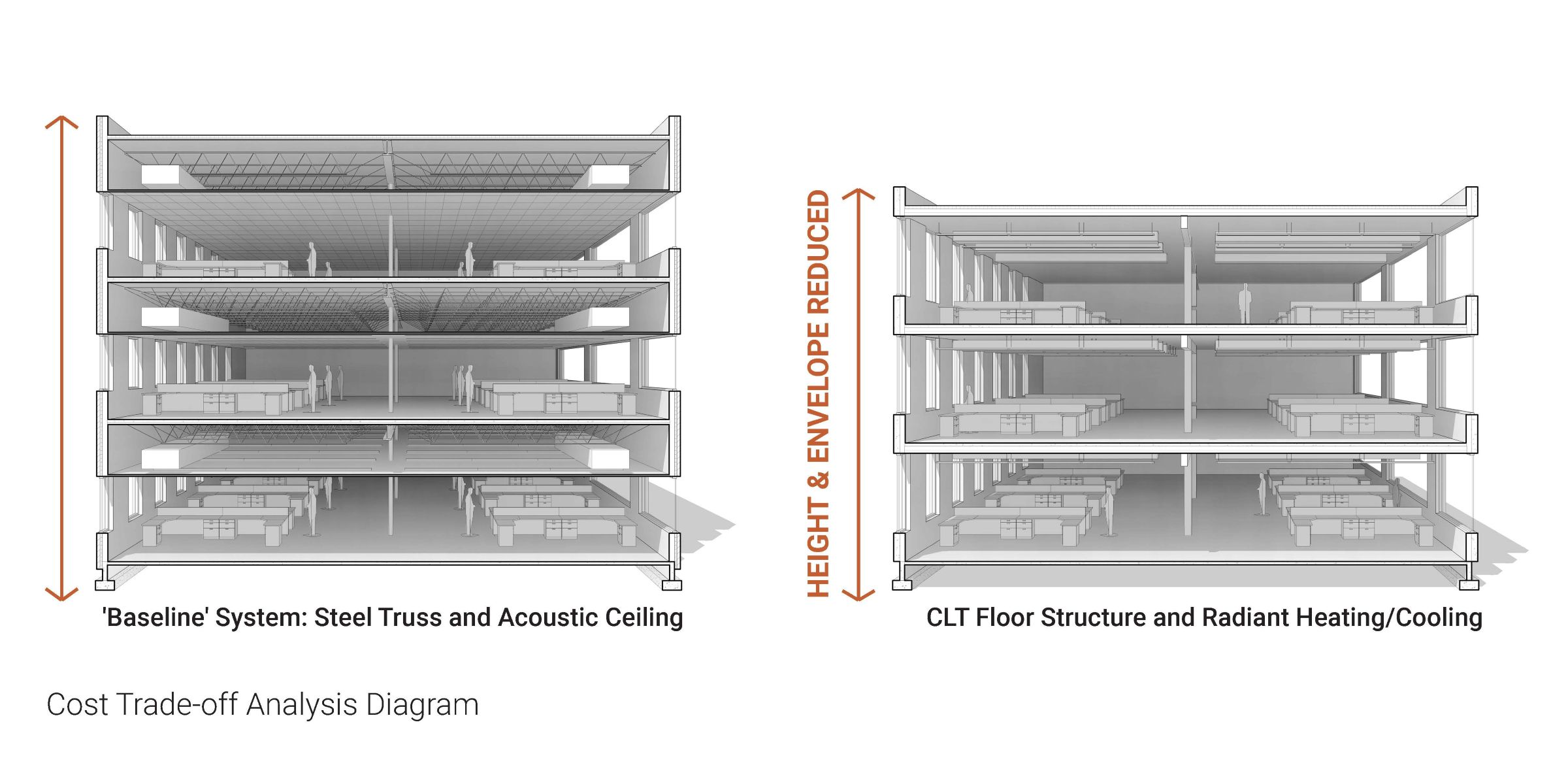
FFA’s role is to help public clients clearly understand those trade-offs, prioritize strategies that deliver the most value for their specific program and site, and make decisions they can stand behind when explaining the building to their community. That means being direct about what a given investment will and will not do and helping agencies build the institutional knowledge to evaluate those choices well.
Sustainable design for public clients works best when it improves long-term performance, supports resilience, and respects the budget. We have seen this combination work across very different project types, scales, and communities. It does not require a single formula. It requires early integration and a shared commitment to lasting outcomes.